The Women Who Decided to Be B.A.D.
A little button with a big attitude opens a window onto the early days of the Bay Area Derby Girls.
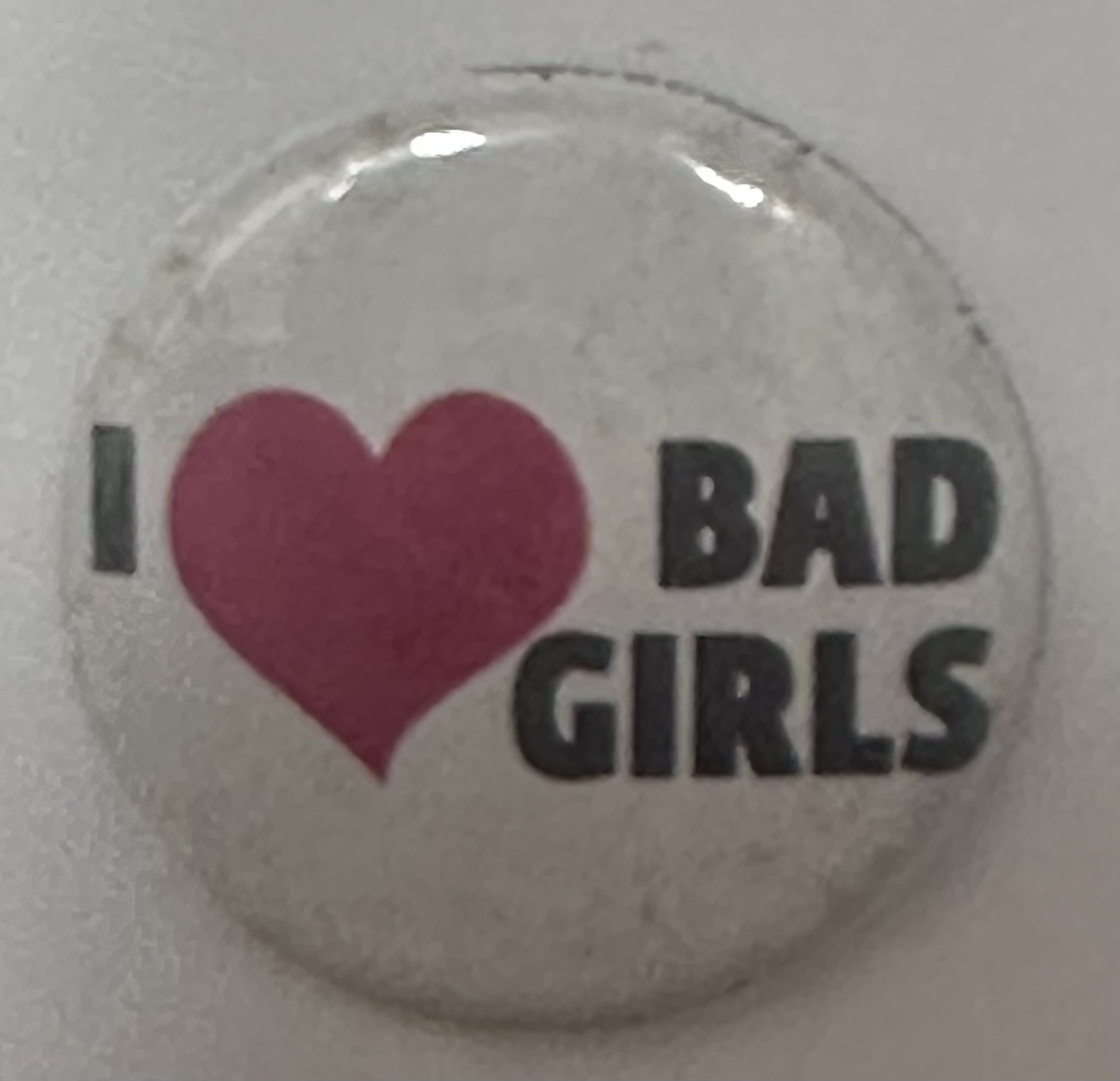
At first glance, it is simply a cheeky declaration: a red heart, black lettering, and three words arranged to get a reaction. But “bad girls” takes on another meaning when it leads to the Bay Area Derby Girls. B.A.D. was an invitation to make something happen.
A league before the first bout
The league’s website, preserved on June 4, 2005, describes a group founded in August 2004. Inspired by derby leagues emerging in other cities, its members wanted the Bay Area to join them. More than 25 regular members were already training, with a first public bout still ahead and a summer 2005 debut as their goal.1
The practical details bring those beginnings close. There were no tryouts: newcomers could arrive with any level of skating experience. Practices ran from ten at night until midnight on Tuesdays and Thursdays at the Bladium in Alameda. A first visit cost $10 toward rink rental; joining meant about $40 a month, with the cost per skater falling as membership grew. Some loaner skates were available, and full protective gear was required.1
Organizing also meant stepping outside the rink. The June website invited friends and families to a Sunday afternoon skate in Golden Gate Park, whether they wanted to join in or cheer. Later that day, the skaters planned to gather at Zeitgeist to meet people interested in the league. Alongside those invitations came appeals for sponsors and donations. The work of building a league included sharing expenses, welcoming beginners, finding supporters, and giving curious strangers a way in.1
A declaration you could wear
Read alongside that early website, the button’s slogan becomes a small expression of belonging. A heart does the work of a sentence; a pin turns a jacket or bag into a public declaration. Its appeal lies in that economy: affection, attitude, and an invitation to ask a question.
The archive establishes the league’s beginnings; it does not establish when this particular button was made or who first wore it. That distinction leaves room for the object’s mystery without losing the history it helps us explore.
The story carries on
Bay Area Derby traces its foundation to 2004 and describes itself as a volunteer-driven, skater-owned organization. Its stated values include community, inclusion, and democracy.2 The name and the organization have evolved, but the idea of people creating a place for themselves remains a compelling way to read this little object.
That is what makes ephemera worth looking at twice. Something small enough to disappear into a drawer can lead us back to late practices, shared rink fees, and an invitation to come skate. Sometimes the people who accomplish remarkable things simply decide to build the door themselves.
Sources & notes
- Bay Area Derby Girls website, archived June 4, 2005. Contemporary account of the league’s founding, recruitment, practices, and plans. The capture date is not a manufacture date for the button.
- Bay Area Derby: About. Organization’s own account of its founding, structure, and values; consulted November 9, 2026.
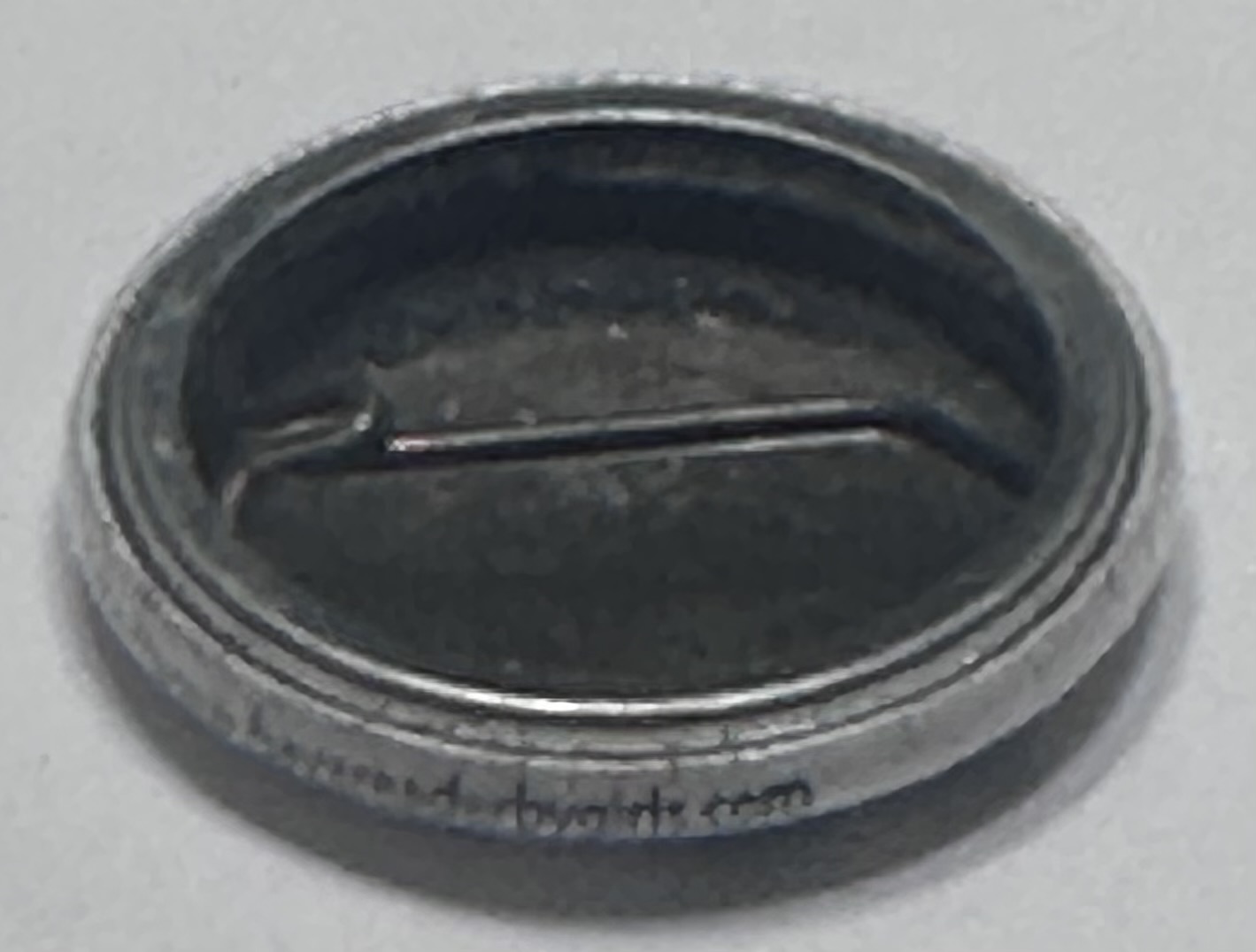
Interpretation of the slogan is editorial commentary. The photographs document the item in the FABMOST collection; no exact production date is assigned.